GIMP (Gnu Image Manipulation Program)
GIMP is a cross-platform image editor available for GNU/Linux, macOS, Windows and more operating systems.


The Free & Open Source Image Editor
GIMP is a cross-platform image editor available for GNU/Linux, macOS, Windows and more operating systems. It is free software (opens in a new tab), you can change its source code (opens in a new tab) and distribute (opens in a new tab) your changes. Whether you are a graphic designer, photographer, illustrator, or scientist, GIMP provides you with sophisticated tools to get your job done. You can further enhance your productivity with GIMP thanks to many customization options and 3rd party plugins.

Retouch. Compose. Author.
GIMP is the freely distributed program for all your image tasks, developed and supported by a global community of volunteers.
-

1/4
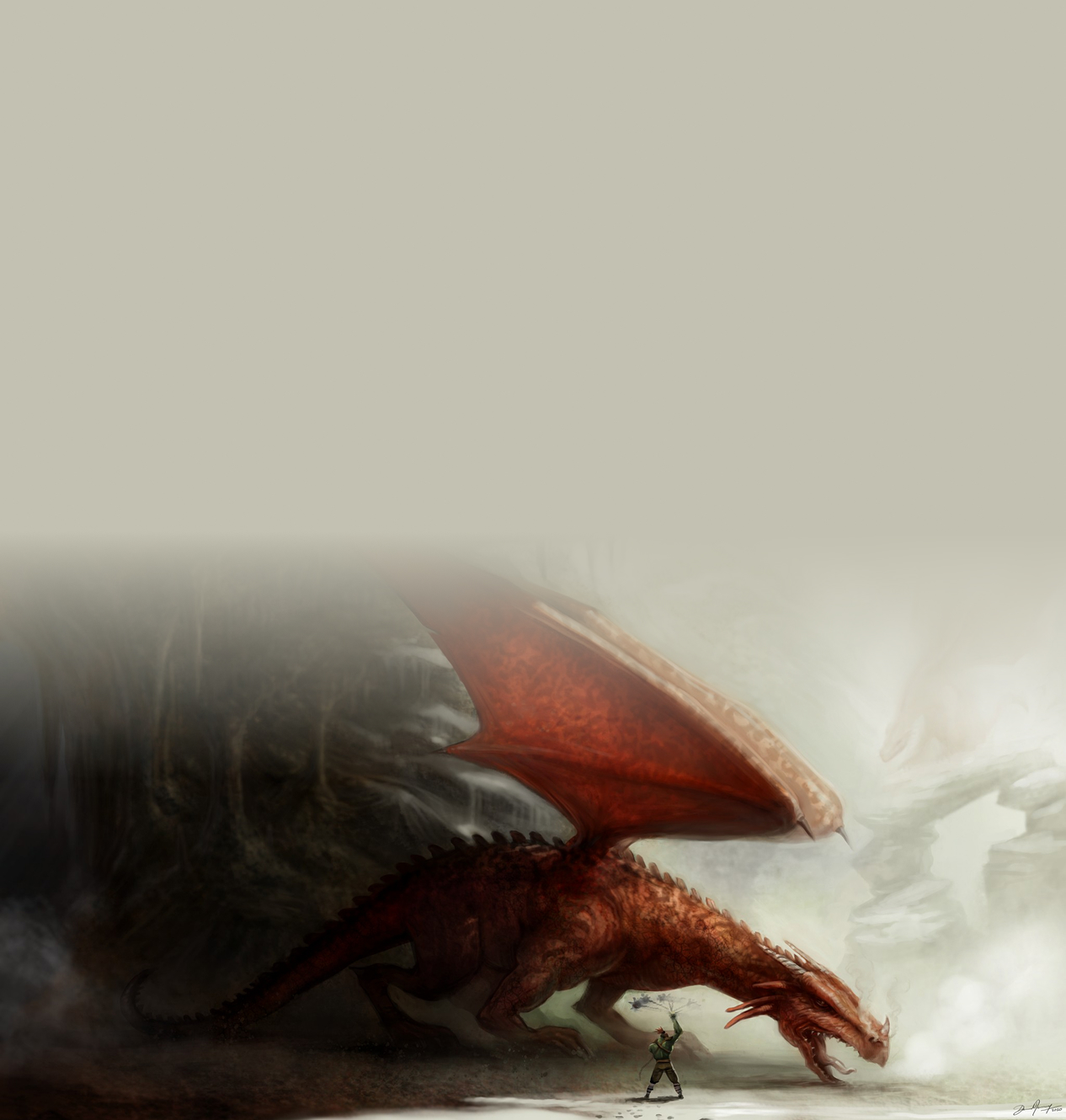
High Quality Photo
ManipulationGIMP provides the tools needed for high quality image manipulation. From retouching to restoring to creative composites, the only limit is your imagination.
-
2/4
High Quality Photo
ManipulationGIMP gives artists the power and flexibility to transform images into truly unique creations.
-
3/4
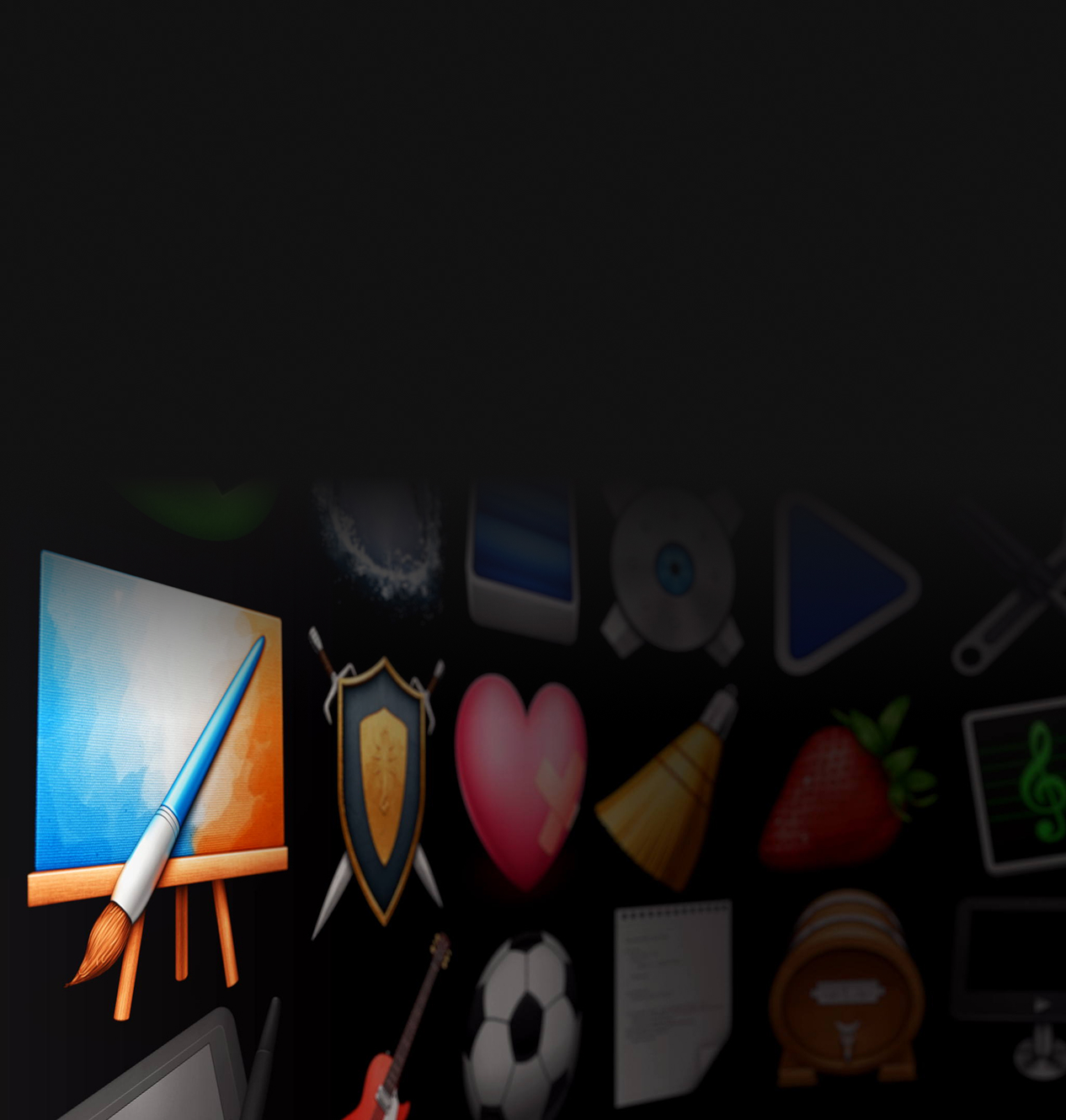
Graphic Design
ElementsGIMP is used for producing icons, graphical design elements, and art for user interface components and mockups.
-
4/4
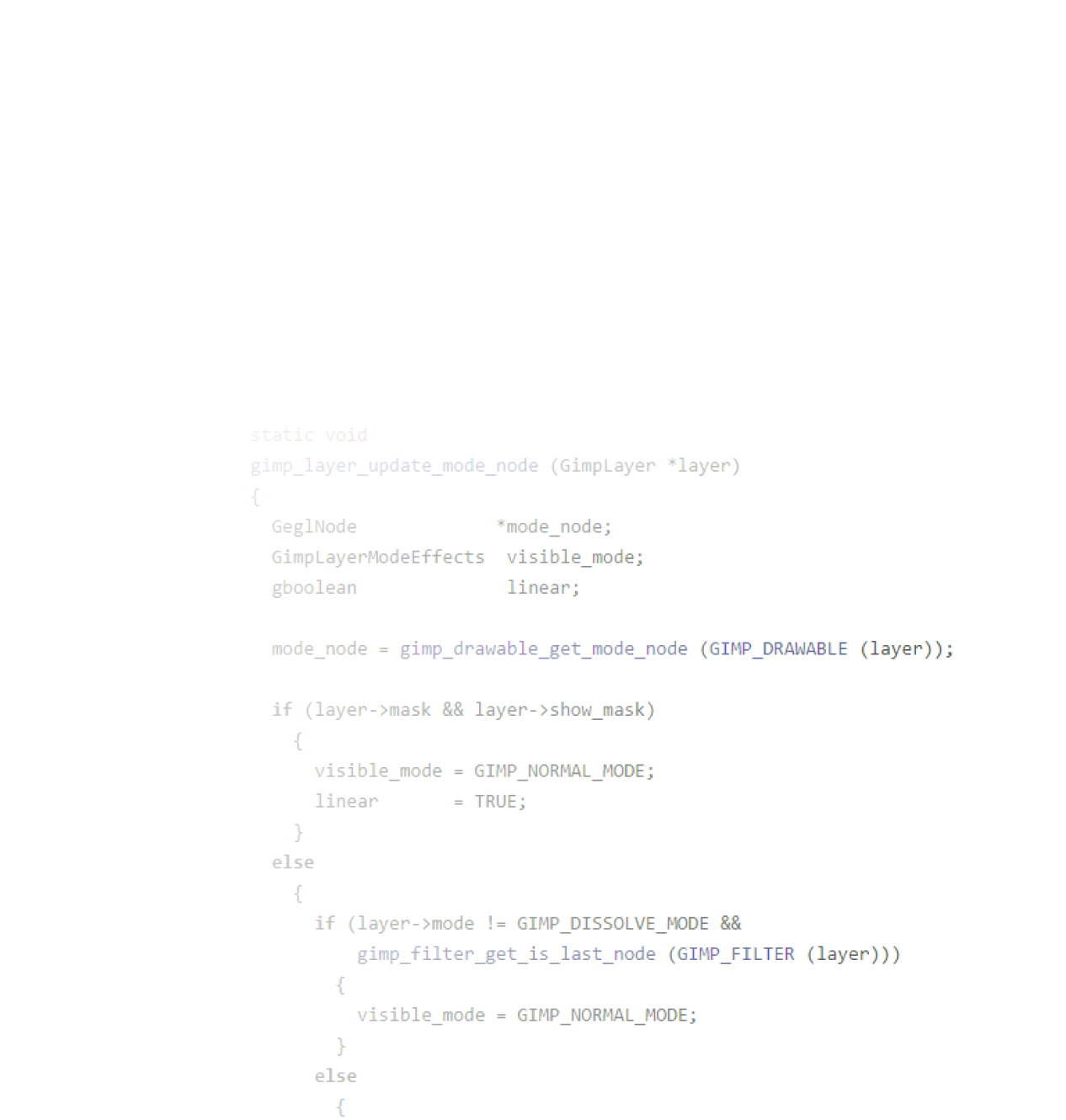
Programming
AlgorithmsGIMP is a high quality framework for scripted image manipulation, with multi-language support such as C, C++, Perl, Python, Scheme, and more!


Built to be open.
GIMP doesn't just 'welcome' PSDs. It opens, edits, and saves them. But our openness doesn't stop at one format. GIMP works with your RAW files, SVGs, and the latest formats like AVIF or WebP. On Linux, Windows, and macOS. No barriers. At all.
OPEN. POWERFUL. YOURS. •
No trials. No fees. No kidding.
GIMP is 100% free and open-source, forever. You get the full, professional-grade program on any platform, developed and supported by a global community.
( we think your OS is Windows 🪟)
Linux
This is our home turf. Get the official Flatpak or AppImage.
macOS
Optimized for both Apple Silicon (M1/M2/M3) and modern Intel chips.
Windows
The complete GIMP experience,
ready for Windows 10 or newer.
*The current stable release of GIMP is 3.2.4 (2026-04-17).
Your Workflow. Your Studio.
GIMP isn't just a program—it's a platform. Extend its power with scripts and integrate it perfectly with your other creative tools.
Key Component in a Desktop Publishing Workflow
GIMP provides top-notch color management features to ensure high-fidelity color reproduction across digital and printed media. It is best used in workflows involving other free software such as Scribus (opens in a new tab) and Inkscape (opens in a new tab).
Extensibility & Flexibility
GIMP provides extensibility through integration with many programming languages including Scheme, Python, Perl, and more.
The result is a high level of customization as demonstrated by the large number of scripts and plug-ins created by the community.